55+ Living
What should I know before buying in a 55+ community near Boca Raton?
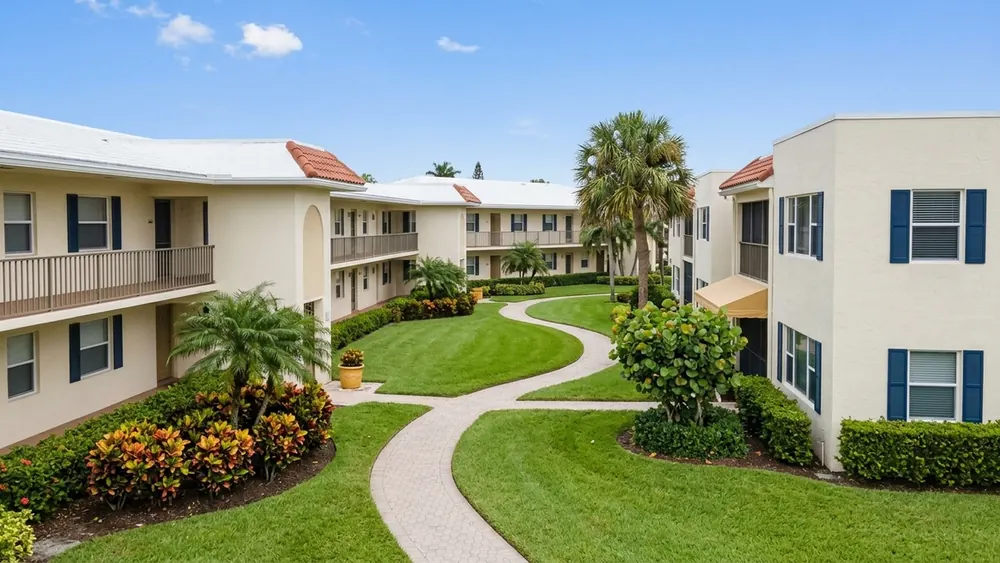
Before buying in a 55+ community near Boca Raton, read the governing documents, confirm age and occupancy rules with the association, learn the approval process and ask what the fees cover, so you choose the community before you choose the home.
On this page
The short answer before you start touring
Before buying in a 55+ community near Boca Raton, read the governing documents, confirm the age and occupancy rules directly with the association, learn how buyer approval works and ask what the regular fees cover. Those questions come before the floor plan or the view. Every 55+ community runs on its own documents, and those documents shape daily life as much as the home itself. Understand the community first, then choose the home.
This order matters because a home that looks right on a tour can come with rules that do not fit how you plan to live. You might want a pet, regular visits from family, a second car or the option to lease the home for part of the year. Each of those depends on the association’s rules, not on the listing description. Learning the rules early keeps you from falling for a place that cannot work for you. A little reading now saves a lot of time later.
It also matters because no two communities are set up the same way. If you are comparing communities such as Valencia Palms, Valencia Falls and Boca Delray Golf & Country Club, each has its own association, its own documents and its own way of doing things. The useful question is never which community sounds right in general. It is which set of rules fits the way you want to live, confirmed for the exact home you are considering.
Documents to request for each home
The governing documents are the real description of a home in a 55+ community. Ask for them early, ideally before you make an offer, read each one before you commit and have them reviewed by a qualified legal source. If a document is missing or unclear, ask the association rather than guessing. Keep a separate folder for each community you compare, so nothing gets mixed up. These are the papers worth requesting for every home on your list.
- The declaration, bylaws and any amendments that apply to the specific home
- The current rules and regulations, including recent changes the association has adopted
- The association budget and a plain explanation of what the regular fees cover
- Recent meeting minutes, which can show what the association is discussing or planning
Questions to bring to each association
Once you have the documents, write down every question they raise and bring the list to the association. The association sets and enforces its rules, so it is the right source for these answers, and a qualified legal source can help you understand what they mean for you. Ask for answers in writing where you can. Ask each community the same questions in the same order, so the answers are easy to compare.
- What age and occupancy requirements apply, and how the association confirms them
- What the buyer approval process involves, and what it requires from you
- Whether leasing is allowed, and what limits or approvals apply to it
- Which repairs and maintenance belong to the owner and which to the association
- How pets, guests and parking are handled under the current rules
Fees, approvals and maintenance in plain terms
Association fees pay for whatever the association is responsible for, and that list is set by the association and its budget. Some costs may sit inside the fees and others may fall to you as the owner. Ask what is included, what is not and whether the association has discussed any upcoming projects or special assessments. The budget and recent minutes are the places to look, and the association can explain anything that is unclear. Keep notes for each community side by side.
Approval is the step many buyers do not expect. Many associations have their own process for reviewing buyers before a sale can close, and that process can shape your timeline. Ask the association what the application involves, what it needs from you and how long review usually takes. Then plan your offer, your moving dates and any sale of your current home with that answer in mind, rather than discovering the step late.
Maintenance responsibilities deserve the same attention. In one community the association may handle the roof, the exterior or the landscaping, while in another those items belong to the owner. The documents spell this out, and the association can confirm how it works in practice. Knowing who maintains what helps you compare homes fairly, because two homes with similar fees can carry very different responsibilities once you read the details.
Rental rules and how you plan to use the home
If you might lease the home someday, or want flexibility for a seasonal stay, ask about rental rules before you buy. Some associations limit leasing, require approval for each tenant or set waiting periods before an owner can lease. Those rules are set by the association, can change over time and may differ from one community to the next, so confirm them for the specific home and have a qualified legal source review what they mean for you.
Think about the way you will actually use the home. A full time move, a winter season in Boca Raton or a home that family will visit often each raise different questions. Write down your plans before you tour, then check them against each community’s rules one by one. If a rule would rule out something important to you, it is better to learn that before an offer than after closing. A short written list keeps the comparison honest when you tour more than one community in the same week.
I like to start with how you want to live, then read each community’s rules against that list. When the rules fit, choosing the home gets much easier.
Questions for the inspector and insurer
Some questions go beyond the association. A licensed home inspector can look at the condition of the home itself, and the association can tell you about shared structures and any planned work. Insurers and qualified insurance professionals can explain what coverage you would need as an owner and how the association’s own policy fits with yours, so you may want to ask for quotes early. Check flood zone information with official flood map sources, and keep each answer in the same folder as the documents.
If you are financing, talk with a lender about the home and the community before you make an offer, and ask whether anything about the association raises questions on the lending side. Tax questions belong with a tax professional. Shayna Franco handles the real estate side, helping you compare homes, request documents and shape the offer, and keeps track of who is answering what, so no question falls between the cracks.
What to gather before your first conversation
Before your first conversation, write down how you want to live in Boca Raton or elsewhere in southern Palm Beach County. Note whether you plan to live in the home full time or for part of the year, whether you have a pet, how often family visits and whether you might want to lease the home someday. Those answers tell you which rules matter most and which communities to look at first. Write down your must haves and your nice to haves separately, so a rule that conflicts with a must have stands out right away.
Gather the practical pieces too: a sense of your budget, a conversation with a lender if you are financing and a list of anyone who will share the decision. If a family member is helping from out of state, decide early who reads the documents and who speaks with each association. Add any 55+ communities you are already curious about, such as Valencia Palms, Valencia Falls or Boca Delray Golf & Country Club, along with the questions you already have.
When you are ready, bring your questions to Shayna Franco. Shayna can help you narrow the homes that fit your plans, request the right documents from each association and keep every outside question pointed to the right source. There is no pressure to decide anything in a first conversation. Start with how you want to live in Boca, and the details can be taken care of one at a time, in the right order.
This article is general information about buying, selling and renting homes in Boca Raton and southern Palm Beach County. It is not legal, tax, lending, insurance or inspection advice and does not predict prices or promise results. Confirm 55+ community rules and age requirements with the association and a qualified legal source, flood zones and coverage with official sources and insurance professionals, financing with a lender, property condition with a licensed home inspector, and lease terms with a qualified legal source. Shayna Franco, ONE Sotheby’s International Realty.

Written by