Rentals
What do I need to rent in Boca Raton?
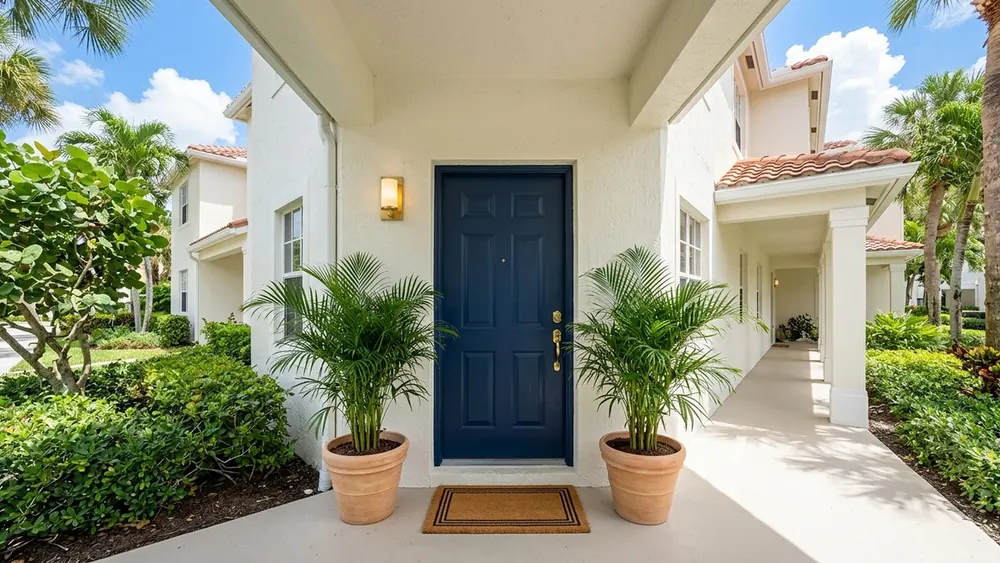
To rent in Boca Raton, have proof of income, identification and your rental history ready before you apply, then confirm association approval, pet rules and lease questions early so the home you choose is not held up by paperwork.
On this page
Start with paperwork that is ready to go
To rent in Boca Raton, have proof of income, identification and your rental history ready before you apply. Those three items answer the first questions most owners ask, and having them in one place lets you move when the right home appears. Many rentals here also sit inside a condo or community association, so there may be a separate application and approval step on top of the owner’s. Knowing that up front keeps the whole process calm and predictable.
This matters because good rentals rarely wait while a file comes together. If you tour a condo on a Saturday morning and love it, the owner may already be weighing more than one applicant. A renter who can hand over a complete, organized application shows real forethought, and that tends to make the conversation easier for everyone involved. Preparation does not guarantee approval, but it removes the delays you can actually control.
It also matters because paperwork is only half of the picture. The other half is knowing how you want to live: the kind of home, the length of your stay and the routines a normal week needs. Shayna Franco grew up locally and came to real estate from hospitality, where the job was anticipating what a guest would need before they asked. Renting works the same way. Settle the practical questions first, and the move itself becomes much simpler.
What to gather before you apply
Think of your application as a folder you build once and reuse for every home you consider. Owners and associations each decide what they need, so ask for their list rather than assuming it matches the last one you saw. In general, though, these are the items renters are commonly asked to provide, and gathering them before you tour saves you from scrambling on the day you find a place you want to call home. A tidy folder also makes it easy to apply for more than one home if your first choice falls through.
- Recent proof of income, such as pay records or a letter confirming your employment
- A current government issued photo identification for every adult who will live in the home
- Your rental history, including prior addresses and contact details for past landlords
- Funds set aside for any deposits and move in costs the owner or association requires
Questions to ask before you sign anything
Once a home has your attention, the next step is asking the questions that shape daily life after you move in. Write them down before the showing so nothing slips your mind in the moment. Some will be answered by the owner, some by the association and its governing documents, and some belong with a qualified legal source who can read the lease with you and explain what each term means for you. Asking now is simple; asking after you have signed is much harder.
- Does the association require its own application, interview or approval before you can move in
- What are the rules on pets, and do they differ by building or section
- Which utilities, services and maintenance items are included, and which are your responsibility
- How long is the lease, and what happens if you need to leave early
- Are there rules on guests, parking, vehicles or the use of shared amenities
How association approval changes your timeline
Many condos, villas and gated communities are governed by an association, and some associations review renters before a lease can begin. That review can involve a separate application, separate charges and a separate schedule from the owner’s. The rules come from the association’s governing documents, so the only reliable answer is the association itself, ideally confirmed in writing before you commit to a move in date.
This is the step renters most often underestimate. You may agree on terms with an owner and still need to wait for the association to act before you hold the keys. If your move in date is fixed, perhaps because a new job starts or a current lease ends, ask early how long the review usually takes and what could slow it down. Build that answer into your plan rather than hoping it works out.
If you are moving with a pet, approvals deserve extra attention. Pet rules can come from the owner, the association or both, and they can vary between buildings in the same community. Ask for the rules in writing before you apply, and keep a copy with your lease. It is far easier to choose a different home at the start than to discover a conflict after you have already unpacked.
When you are renting from out of state
Plenty of people look for a rental here from somewhere else, whether for a season, a new job or a first stretch before buying. Searching from a distance changes the order of things. You may need video tours, digital signatures and a dependable way to submit documents, and you will want someone local who can stand inside the home and tell you what the photos leave out. Ask how documents should be submitted, who needs to sign and whether the association requires anything in person before approval.
A family member helping from another state faces the same challenge. Agree in advance on who will sign, who will pay deposits and who the owner or association should contact, so nothing stalls on a question nobody owns. Someone on the ground can walk through a home on your behalf, note the details that matter to you and help keep the application moving while you are still packing boxes. That local presence matters most in the days between approval and move in.
Before you fall for a rental, ask the association what it needs from you. Getting that answer first keeps a lovely home from slipping away over paperwork.
Assumptions that cause surprises for renters
The most common surprise is assuming the monthly rent is the whole cost. Utilities, charges the owner passes through, renters coverage and move in costs can all change what a home really costs each month. Ask the owner to spell out exactly what is included and what is not, and ask an insurance professional what renters coverage would make sense for your belongings and your situation. Ask, too, which utilities must be set up in your name before you arrive.
The second surprise is assuming every rental works the same way. A seasonal rental and an annual lease can carry very different terms, and a condo in one community may follow rules that a villa nearby does not. If you are comparing a home in Boca Raton with one in Delray Beach, put the lease terms and association rules side by side, not just the monthly figure.
Your next step before the first conversation
Before you start touring, write down how you want to live. Note whether you prefer a condo, villa or single family home, your ideal move in date, how long you expect to stay and anything you cannot do without, such as room for a pet or covered parking. That short page becomes the filter for every listing you see, and it keeps showings focused on homes that actually fit. Be honest about the trade offs you would accept, too, since few homes match every wish.
Then put your application folder together: income records, identification for every adult, your rental history and a note of the funds you have ready for move in costs. Keep digital copies you can share quickly, along with the list of questions above. That way each showing becomes a chance to check answers on the spot rather than chase them days later. If a family member is helping, give them a copy of the same folder.
When you are ready, bring your list to Shayna Franco. Share how you want to live in Boca Raton, and the details can be taken care of one step at a time, from the first showing to the lease questions that belong with a qualified legal source. There is no pressure, no question too small to ask, and you will leave the conversation knowing exactly what to do next.
This article is general information about buying, selling and renting homes in Boca Raton and southern Palm Beach County. It is not legal, tax, lending, insurance or inspection advice and does not predict prices or promise results. Confirm 55+ community rules and age requirements with the association and a qualified legal source, flood zones and coverage with official sources and insurance professionals, financing with a lender, property condition with a licensed home inspector, and lease terms with a qualified legal source. Shayna Franco, ONE Sotheby’s International Realty.

Written by