Home Buying Tips & Advice
Boca Raton Villas vs. Townhomes: Why HOA Documents Matter More Than the Name
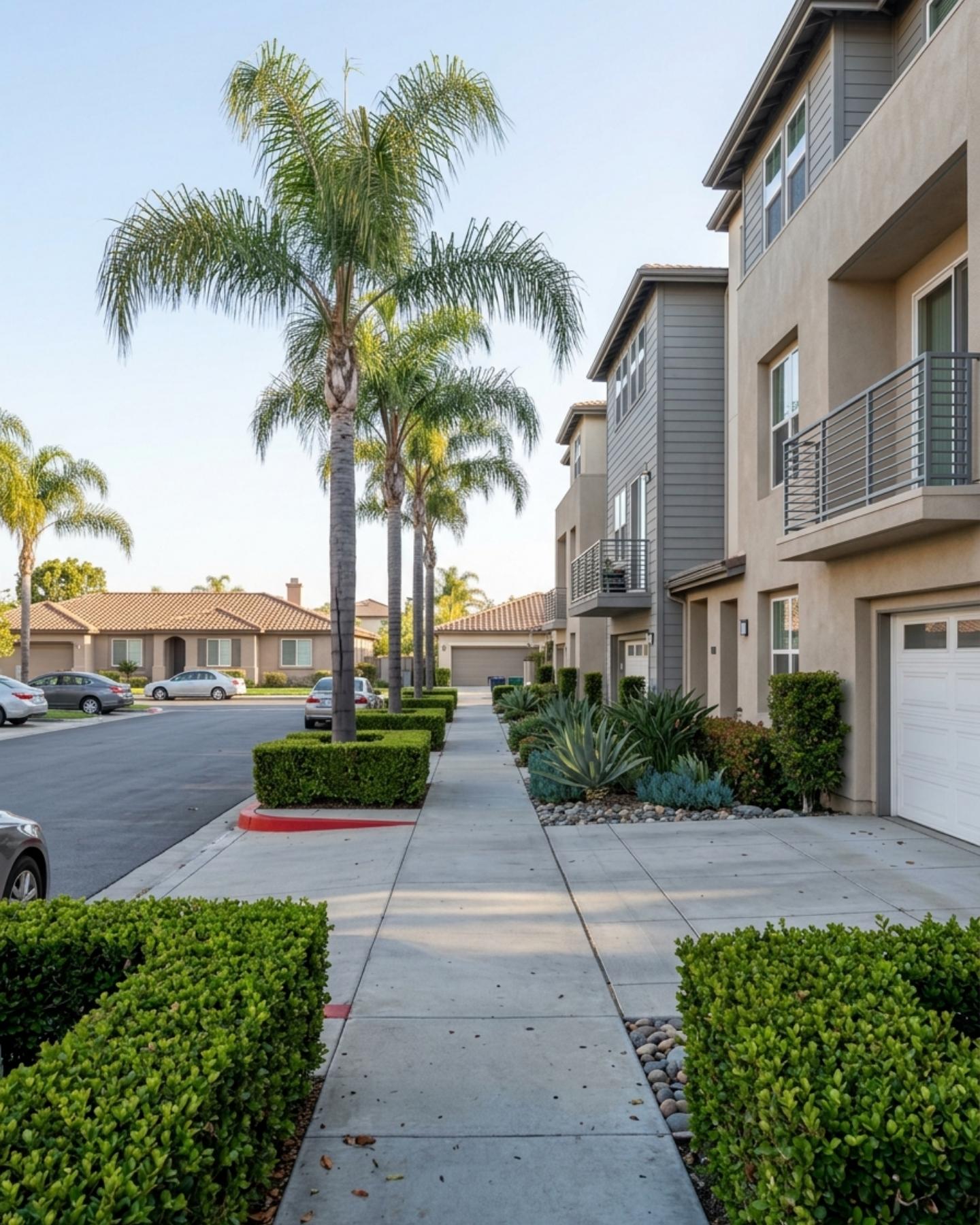
In Boca Raton and nearby cities, governing documents dictate real ownership, maintenance, and costs - far more than calling a home a villa or townhome.
How Property Type Labels Can Mislead in South Florida
Many buyers shop for homes in Boca Raton and neighboring cities using terms like villa, townhome, or condominium. These labels can imply differences in privacy, amenities, or upkeep, but the real distinctions go much deeper. The declaration of the association - not the marketing name - sets out ownership responsibilities and decision-making power.
A property called a villa in one community may have association-controlled exteriors, while another villa could require owners to handle all repairs. Similarly, not all townhomes are governed the same way. Without reviewing the actual governing documents, you can’t know who maintains what or how costs are shared.
This makes the declaration and associated legal documents the backbone of understanding what you're buying. Focusing on the property type name alone risks costly surprises with future repairs, insurance, and even design changes.
Key Governance Differences for Boca Raton-Area Homes
The strongest difference between villas, townhomes, and other homes in Florida law is how maintenance and repairs are assigned. Knowing the basic rules can help you ask the right questions before buying.
- The condo association usually maintains common elements unless the declaration says otherwise.
- Declarations can assign specific responsibilities for limited common elements to owners.
- Don’t rely on the marketing label; always verify with the governing documents for each community.
- Townhomes and villas may have very different maintenance boundaries even on the same street.
What to Look For in Association Documents Before Buying
Before buying a villa or townhome in Boca Raton, Delray Beach, or nearby, study the association documents closely. Here are five vital areas to compare.
- Check who is responsible for exterior maintenance, roofs, and landscaping in the declaration.
- Review how alterations and approvals are handled - rules may be stricter than you expect.
- Assess hurricane protection: who pays for installation, repairs, or upgrades?
- Verify flood insurance and other requirements in flood-hazard areas.
- Look for reserve study information to ensure financial stability in future repairs.
Ownership, Maintenance, and Florida-Specific Legal Context
Under Florida law, a property's legal ownership structure determines which statutory framework applies, while its declaration and governing documents establish many of the specific maintenance, repair, and financial responsibilities. Condominium associations and homeowners' associations operate under different Florida statutes, making it important to understand both the property's legal classification and its governing documents before purchasing.
Responsibility for elements like windows, doors, and roofs can be shifted to owners if the declaration is written that way. That means two homes that look identical might have very different maintenance obligations because of how their documents read.
Similarly, Florida law also gives declarations the power to set rules for hurricane protection and installation of amenities like electric vehicle charging stations, with the owner or association sometimes shouldering the costs. Only by reviewing these documents can a buyer be certain of their obligations.
Documents dictate your homeowner reality - labels rarely tell the full story in Boca Raton and nearby communities.
Insurance Structure, Reserves, and Long-Term Planning Considerations
Beyond day-to-day repairs, declarations in Boca Raton-area communities also govern long-term risks and finances. Association insurance may cover the structure, but gaps often remain after major events, with owners paying for uncovered losses. Reserve studies and funding requirements for condos provide more transparency but also highlight the need for caution.
Even well-managed associations can face unexpected costs if a reserve study is out of date or hurricane exposure isn’t fully addressed. That makes it critical to review not just today’s fees, but the reserve strength, insurance structure, and upcoming projects for each association - not just the physical type of property.
Evaluating Location-Based Risks and Requirements
Alongside governing documents, where your home is located in Boca Raton or a neighboring city can create extra requirements. Flood insurance is often mandatory if the property is in a designated flood-hazard area, and these rules may be spelled out in community disclosures or the association’s insurance policies.
Flood risk and association rules combine with physical features, like storm shutters or elevation, to influence not just premiums, but also your ongoing responsibilities as a homeowner. It’s wise to weigh these location-based factors alongside how the declaration splits up costs and duties.
Getting the Right Fit: Why Documents Outweigh Labels for Your Home
Ultimately, the answer for buyers in Boca Raton and nearby is simple but vital: do not trust the label on a listing. Villas and townhomes can function more like condos or stand-alone homes, depending on their declarations and the association's governing style.
Every important difference - maintenance boundaries, hurricane upgrades, insurance gaps - traces back to the governing documents. Reviewing these is the only way to predict long-term obligations and avoid unwelcome surprises after closing.
Careful review with an experienced agent helps ensure the property’s daily and future realities fit your lifestyle, risk tolerance, and budget better than any marketing term can promise.
This article explains how property type labels and declarations affect ownership, governance, and planning, based on current Florida law and public documents. Always review actual association documents and consult a qualified advisor before purchase.